Q235 Scaffolding Steel Pipes for a Middle East Oil Project
Q235 scaffolding steel pipes in a 48.3 x 3.25 x 6000 mm specification were produced within a 12-day order window for a Middle East oil project.

HUILAI Editorial Team writes practical scaffolding guides based on product specifications, quality checks, export packing, and real buyer communication.

Project Background
The enquiry came from a Middle East customer preparing scaffolding for an oil-sector project. Timing was the first issue: the customer needed the steel pipes quickly and already had a clear requirement for the finished size and wall thickness.
The requested pipe specification was:
- 48.3 mm outside diameter
- 3.25 mm nominal wall thickness
- 6000 mm finished length
- Q235 steel
- Actual wall thickness required to be above 3.25 mm
Before moving ahead, we reviewed the job requirements with the buyer. The discussion covered the site conditions, how the pipes would be used in the scaffold, the required dimensions and the wall-thickness requirement. Once those points were settled, the order moved directly into production planning.
Project Information
Middle East Oil Scaffolding Pipe Supply| Project Location | Middle East |
|---|---|
| Application | Oil Scaffolding Project |
| Standard / Material | Q235 Steel |
| Product Supplied | Scaffolding Steel Pipes |
| Pipe Specification | 48.3 x 3.25 x 6000 mm; actual wall thickness required above 3.25 mm |
| Order Window | 12 days |
| Shipping Time | March 15, 2025 |
| Buyer Type | Oil and gas project buyer |
Confirming the Scaffolding Pipe Specification
Wall thickness was one of the points the buyer followed most closely. The required outside diameter was 48.3 mm and the finished length was 6000 mm. The buyer separately specified that the actual wall thickness had to be above 3.25 mm.
That requirement was passed to the production and inspection teams before the material was scheduled. Instead of treating 3.25 mm only as a nominal number on the quotation, the order documents retained the buyer’s finished-pipe requirement throughout production follow-up.
The project record does not provide the dimensional tolerance, pipe weight, steelmaking standard, surface-treatment specification or total order quantity. Those details have therefore not been inferred in this case study.
Working to a 12-Day Schedule
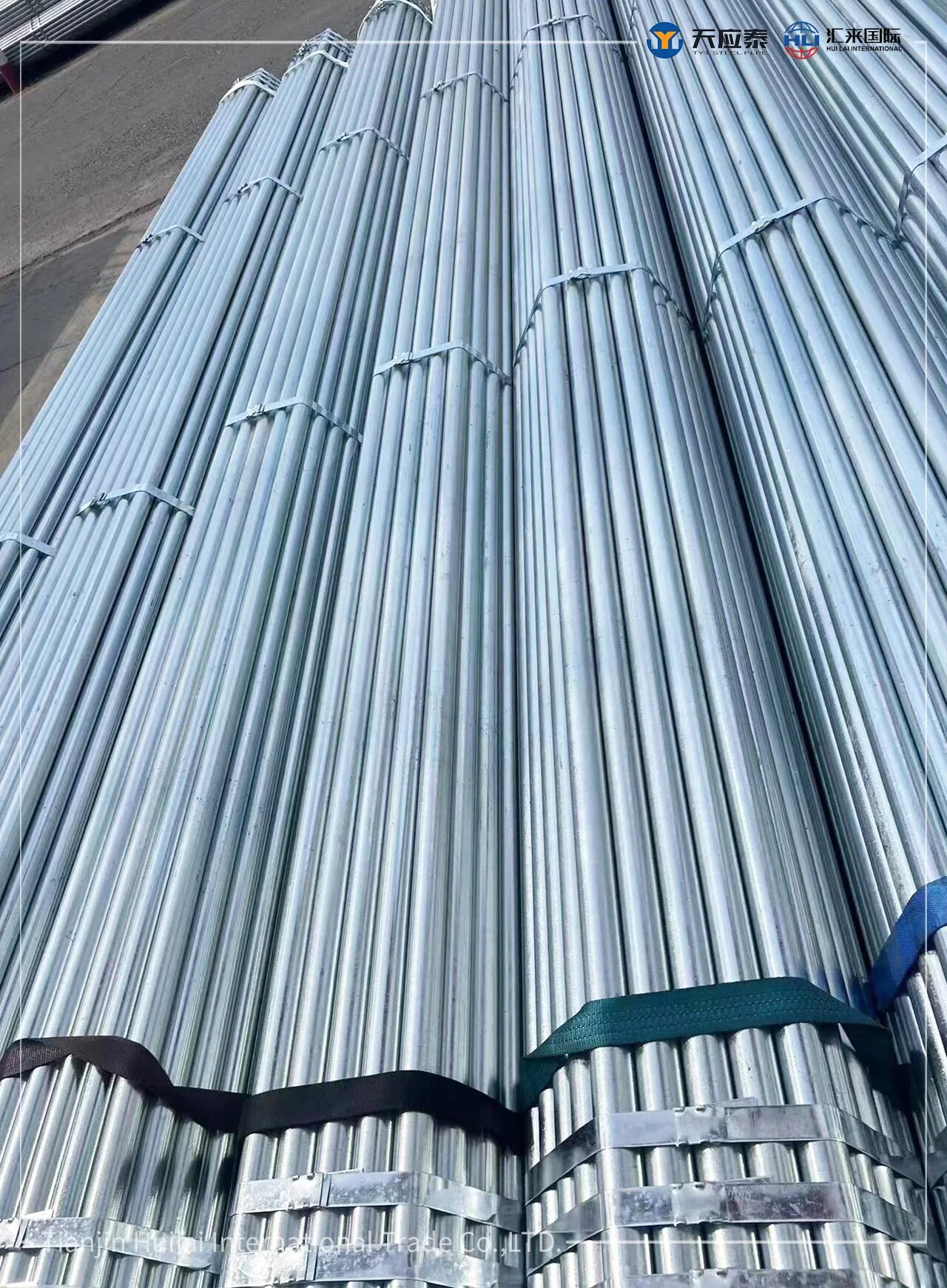
After the specification was confirmed, the main pressure shifted to timing. The order had a 12-day window, leaving limited time for material preparation, pipe production, inspection and dispatch.
Procurement checked the material schedule first. Production then arranged the pipe order around the required completion date. As finished pipes became available, the inspection team followed the order without waiting for the normal production queue to clear. The logistics team worked on the dispatch plan at the same time so transport could follow as soon as the goods were ready.
These steps ran alongside each other rather than strictly one after another. That coordination was necessary to keep the order within the agreed window.
Production and Inspection Follow-Up
During production, the 48.3 x 3.25 x 6000 mm specification remained tied to the order documents. Wall thickness received particular attention because the buyer had requested an actual value above 3.25 mm.
One supplied inspection photograph shows a micrometer display reading 3.396 mm on a finished pipe.
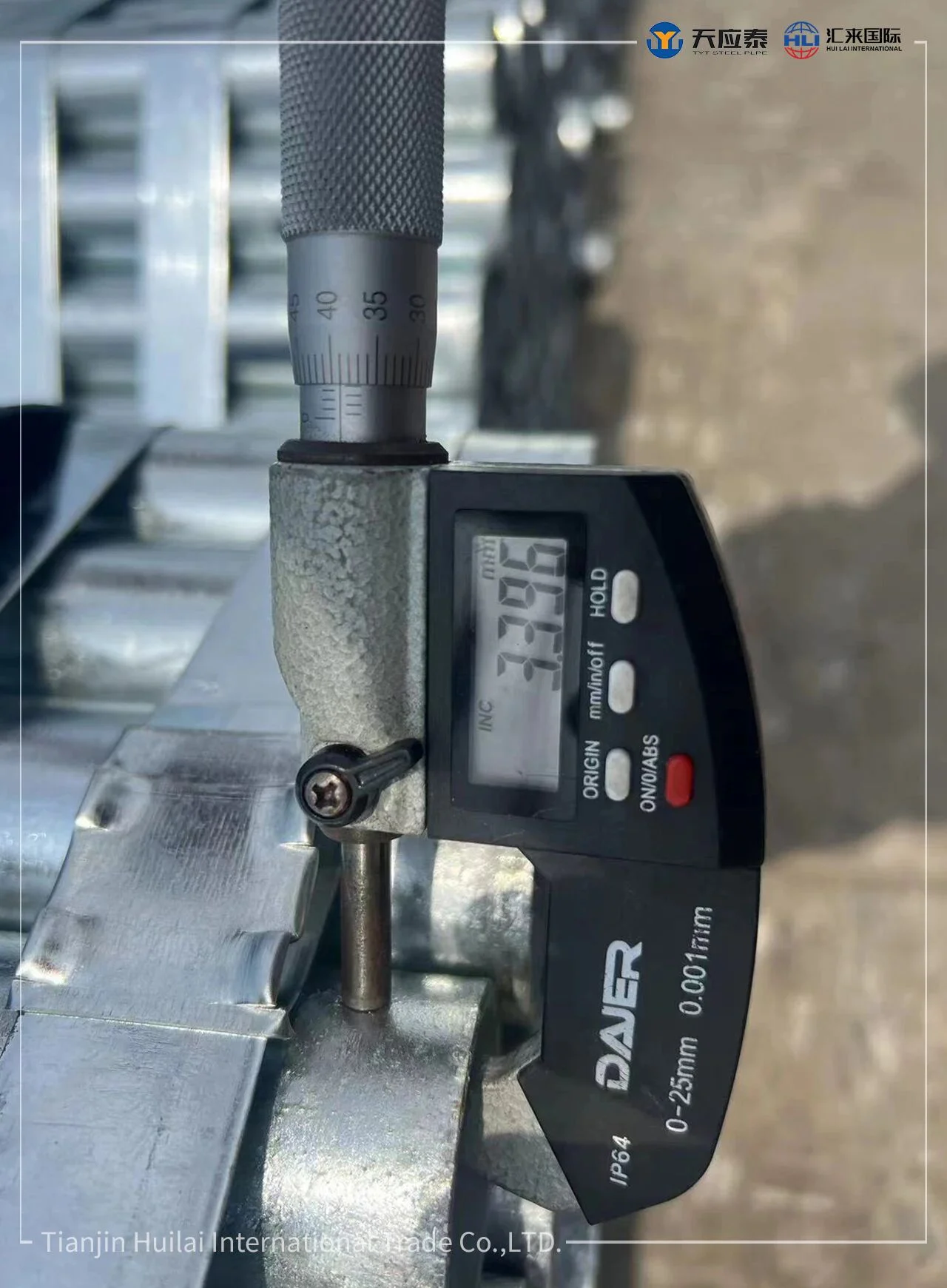
This image documents one reading only. It does not establish the sampling frequency, acceptance criteria or measurements for the entire batch.
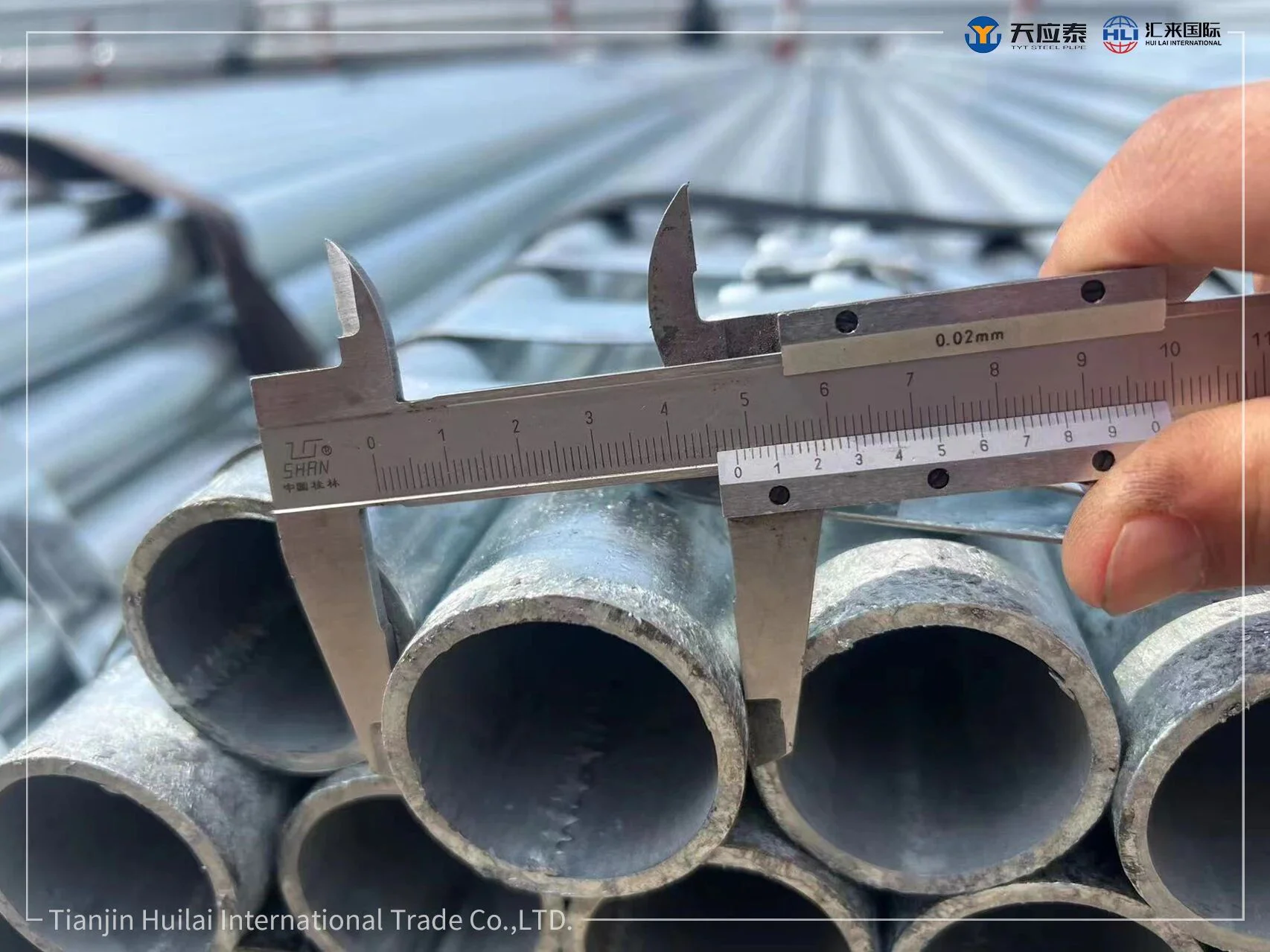
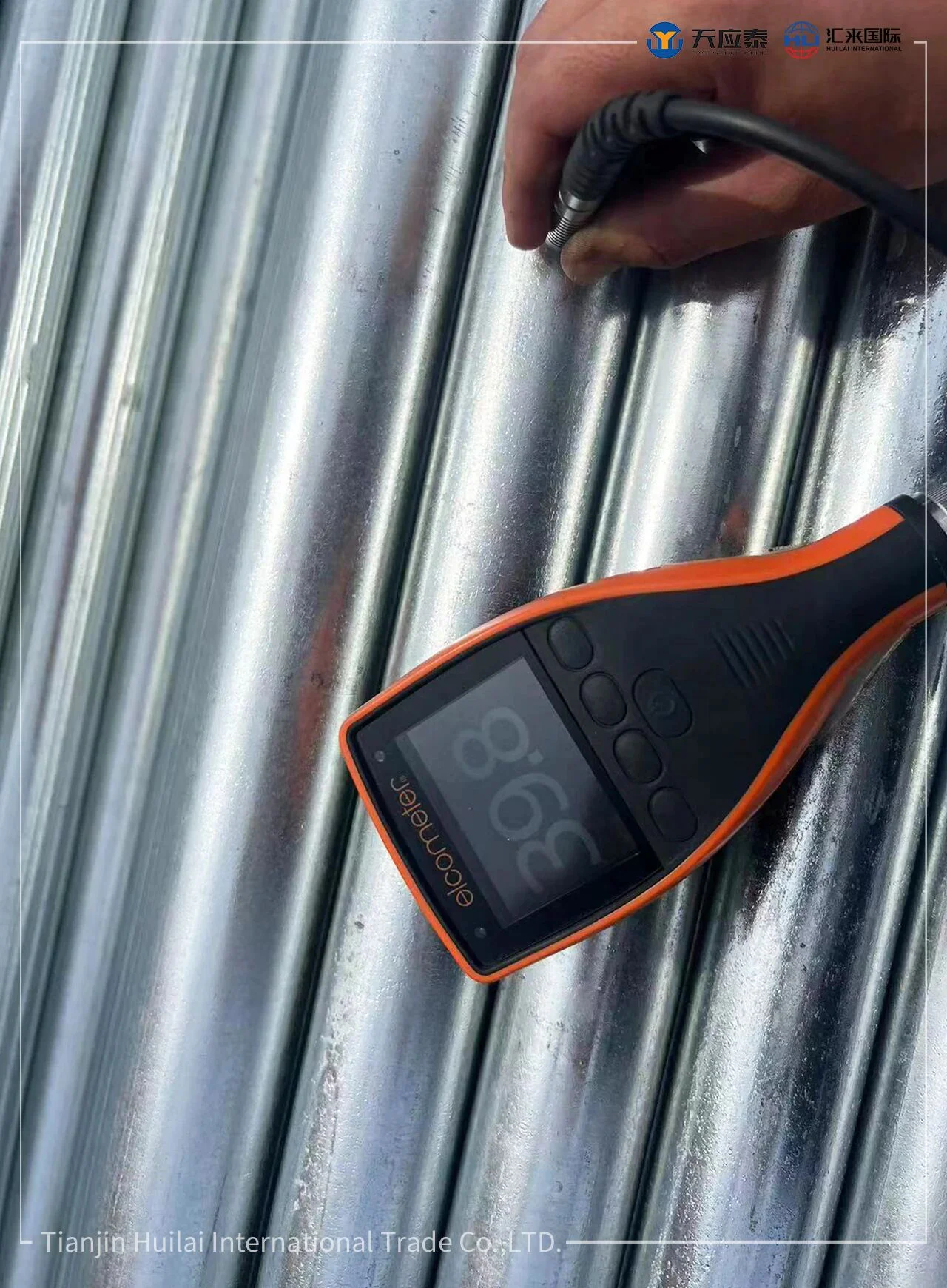
Other photographs show a pipe-end check, a caliper positioned across the outside diameter and a surface-layer thickness instrument used on the finished pipes. The source document does not state the specified surface treatment or target layer thickness, so no coating designation or compliance conclusion has been added.
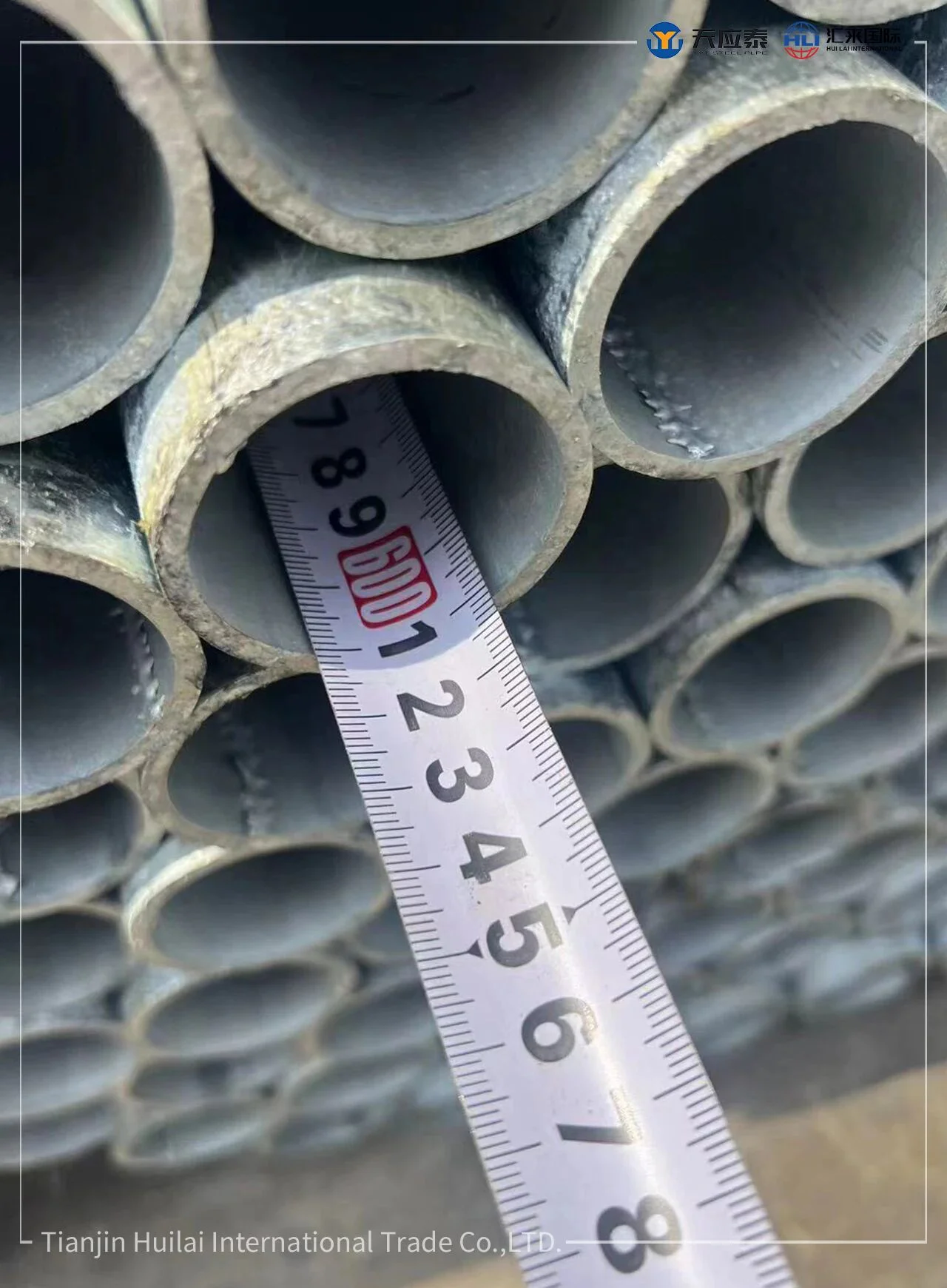
The inspection team checked the finished pipes before release, while the sales team kept the customer updated on production progress and the planned shipment. Issues affecting the completion date had to be addressed while production was still running because waiting until the full batch was finished would have left little time for correction.
Shipment to the Middle East
The scaffolding steel pipes were shipped on March 15, 2025. The order was prepared around the buyer’s oil-scaffolding schedule, with production, inspection and logistics coordinated within the short lead time discussed at the start.
The project record does not include the destination country, vessel, port, packing count, container details or arrival date. These details have not been added beyond the information supplied by the buyer’s case file.
Notes for Similar Oil Scaffolding Buyers
For scaffolding pipe enquiries, state the outside diameter, required wall thickness, finished length and steel grade on the same specification line. If the actual wall thickness must remain above a defined value, write that separately instead of relying only on a nominal thickness.
For example: 48.3 mm OD x 3.25 mm wall x 6000 mm length; actual wall thickness > 3.25 mm.
For pipes used on oil or industrial sites, also include any project-specific product standard, surface treatment, inspection items, marking, packing and third-party inspection requirements. On a short delivery schedule, confirming these points before production begins reduces the risk of late changes affecting inspection and dispatch.